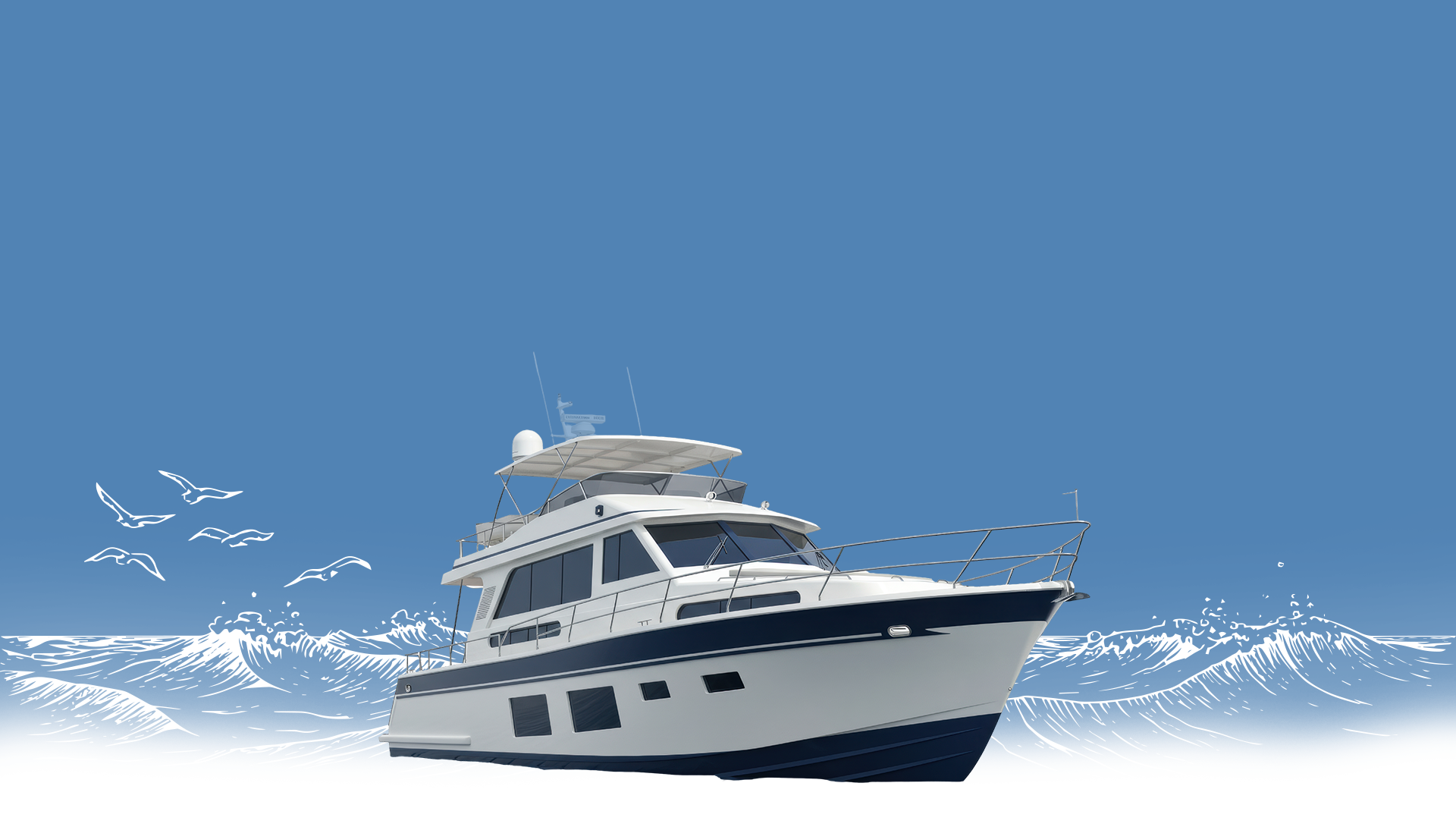
Mastering the art of seamanship and Ocean exploration
Venturing beyond the breakwater requires a profound understanding of hydrodynamics and atmospheric patterns. Every nautical mile traveled builds the experience necessary to handle shifting winds and turning tides with absolute authority.

Distinguishing characteristics of monohulls and multihulls
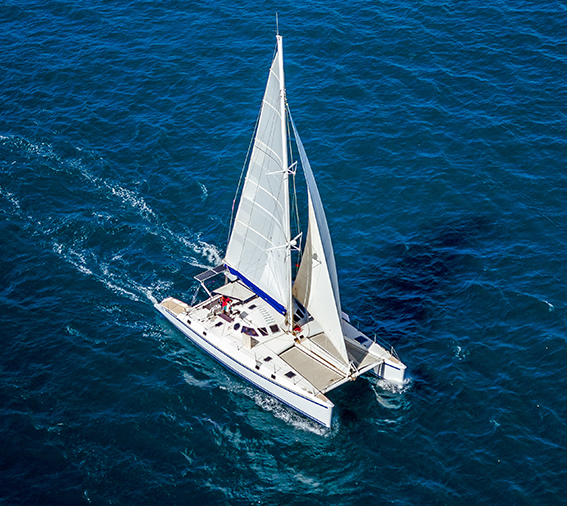
Catamarans provide exceptional stability and shallow draft capabilities. This twin-hull configuration reduces heeling significantly, offering a level platform for living aboard while anchored in shallow bays.
Performance cruisers prioritize speed and upwind capability through deep keels and tall rigs. A lead bulb at the bottom of a fin keel lowers the center of gravity, countering the heeling force of the wind on the sails. This design allows the vessel to point higher into the wind, making upwind passages faster and more efficient compared to traditional full-keel designs.
Exploring coastal inlets and sheltered anchorages
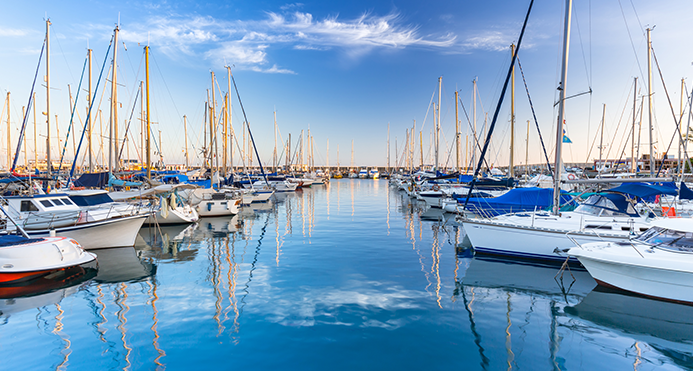
Navigating near the coastline demands constant attention to depth sounders and tidal charts. Exploring estuaries allows sailors to discover secluded wildlife habitats protected from ocean swells.
High-speed thrills in modern water sports
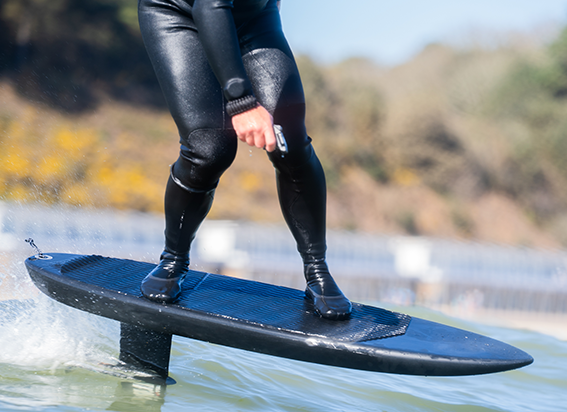
Hydrofoiling has revolutionized board sports by lifting the rider above the surface friction. Whether towed behind a speedboat or powered by a wing, the foil slices through chop effortlessly, delivering a silent, smooth glide that feels like flying over the water.
Blue water travel to remote tropical latitudes
Crossing an ocean involves following the trade winds to reach distant atolls. Preparation for blue water cruising includes provisioning for weeks and managing onboard resources like fresh water and power.
Rigorous implementation of maritime safety protocols
Survival at sea depends on the crew’s familiarity with emergency procedures and equipment. Conducting regular man-overboard drills ensures that every person on board knows their specific role during a crisis. Inspecting the hydrostatic release on life rafts and checking the expiration dates on pyrotechnic flares are non-negotiable pre-departure responsibilities for any skipper.
- Safety harness tether points
- Automatic bilge pump sensors
- Emergency steering tiller arm
- Medical kit inventory check
Refining advanced navigation and handling techniques
Anticipating the interaction between current and wind direction prevents uncomfortable sea states. Skilled navigators interpret surface ripples and cloud movements to adjust sail trim before the squall line hits the vessel.
01 .
Heaving to in heavy weather
Backing the headsail and lashing the helm creates a stable drift, allowing the crew to rest during storms.
02 .
Prop walk docking maneuvers
Utilizing the propeller’s lateral thrust helps swing the stern into the dock without using the rudder.
03 .
Celestial navigation sights
Measuring the angle of the sun or stars with a sextant provides a backup position without GPS.
04 .
Spinnaker gybing procedures
Rotating the spinnaker pole requires coordination to keep the kite full while changing course downwind.
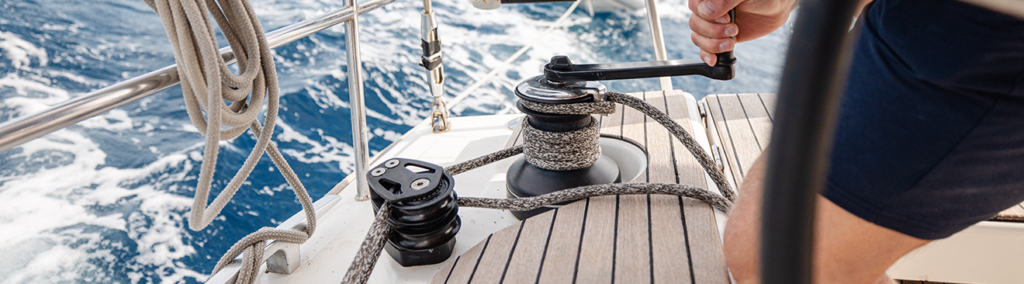
Performance deck hardware
Optimizing vessel performance with specialized equipment
Upgrading to low-stretch Dyneema halyards eliminates sail creep, maintaining perfect aerodynamic shape over long durations. Ball-bearing traveler systems allow for precise mainsail control under high loads, enabling the trimmer to depower the boat instantly during gusts. Carbon fiber spars reduce weight aloft, significantly decreasing pitching and rolling motion in rough seas.
Integrating digital systems for precise navigation
Modern chart plotters overlay radar imagery directly onto vector charts, highlighting distinct targets in fog or darkness. This fusion of data streams provides the helmsperson with immediate situational awareness regarding collision threats.

Automatic identification system
Transponders broadcast the vessel’s course and speed to nearby ships, triggering alarms if collision risks arise.

Forward looking sonar
Transducers scan the seabed ahead of the bow, warning the captain of submerged rocks or shoals.

Wind instrumentation sensors
Masthead units transmit real-time data on true and apparent wind angles to the autopilot computer.